
Gut Inflammation and Depression
Feeling low is not always just in your head. Persistent gut inflammation can shift brain chemistry, reduce stress tolerance, and make recovery from depression harder.

📋 Table of Contents
At a Glance
Core Mechanism
Inflamed gut lining releases immune signals that influence serotonin, dopamine, and stress pathways.
Most Common Pattern
Low mood with bloating, irregular stools, and poor sleep that flare together during stress.
Fastest Wins
Consistent sleep timing, higher fiber diversity, and stress down-regulation usually improve symptoms first.
Who this guide is for
Adults with low mood plus digestive symptoms such as bloating, constipation, loose stools, food sensitivity, brain fog after meals, or fatigue that worsens during gut flare-ups.
What Is the Link?
The gut-brain axis is a two-way communication system. When the gut lining is irritated, immune cells release inflammatory molecules that can influence the brain. This process can affect motivation, sleep, appetite, and emotional regulation.
Researchers increasingly describe depression in some patients as partly inflammation-driven. That does not mean inflammation is the only cause, but it can amplify existing stress, nutrient deficiencies, hormonal shifts, and life load.
How Inflammation Changes Mood
The gut can influence mood through several pathways:
- Cytokine signaling: Pro-inflammatory cytokines can reduce dopamine and serotonin signaling efficiency.
- Tryptophan diversion: Inflammation may divert tryptophan away from serotonin production toward kynurenine metabolites linked to low mood and brain fog.
- Vagus nerve disruption: Gut irritation alters vagal signaling, reducing parasympathetic tone.
- Sleep fragmentation: Inflammatory tone worsens sleep quality, which then worsens mood and gut function the next day.
- Barrier leak cycle: Higher permeability can increase immune load, creating recurrent symptom flares.
Symptom-to-Mechanism Map
Use this map to quickly connect patterns and first actions.
| Pattern | Likely Mechanism | First Action |
|---|---|---|
| Low mood + bloating after meals | Post-meal inflammation and poor fermentation profile | Simplify meals for 7 days, increase soluble fiber slowly |
| Brain fog + constipation | Slow transit, altered microbial metabolites | Hydration, morning movement, fiber titration |
| Anxiety spikes with gut flares | Vagal dysregulation and stress amplification | Twice-daily breathing protocol + trigger logging |
| Poor sleep + loose stools | HPA-axis activation and circadian disruption | Fixed wake time, earlier dinner, caffeine cutoff |
Common Gut Inflammation Triggers
- Ultra-processed diets: Low fiber, high sugar, and frequent additives reduce microbial diversity.
- Chronic stress: Stress hormones weaken barrier function and increase immune activation.
- Low sleep duration: Poor sleep shifts microbiome composition within days.
- Repeated antibiotic exposure: Necessary when indicated, but repeated courses can temporarily deplete beneficial strains.
- Personal food intolerances: Ongoing exposure to trigger foods can sustain inflammation.
- Alcohol excess: Raises permeability and worsens gut-mood instability.
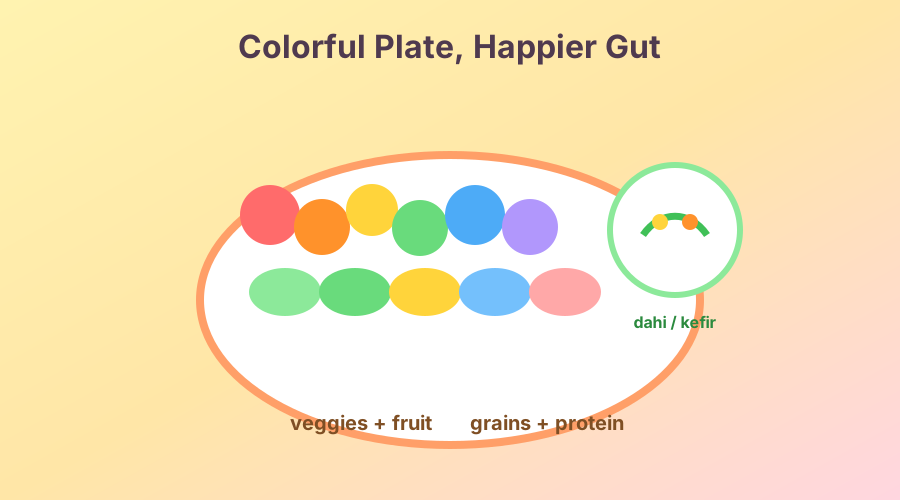
30-Day Gut-Mood Recovery Plan
This phased protocol is designed for adherence and symptom feedback.
Week 1: Stabilize
- Eat simple whole-food meals at regular times.
- Reduce alcohol and late-night snacking.
- Set a fixed sleep and wake window.
- Start a symptom tracker: mood, stool pattern, bloating, sleep.
Week 2: Rebuild
- Add 1 to 2 extra plant foods daily (target 25+ weekly).
- Introduce fermented foods in small portions.
- Begin 20 to 30 minutes daily movement.
Week 3: Regulate
- Use breathwork twice daily (5 to 10 minutes each).
- Increase soluble fiber if bowel tolerance is good.
- Review trigger patterns and adjust meal composition.
Week 4: Personalize
- Keep what improved symptoms and remove low-value habits.
- Discuss persistent symptoms with a clinician.
- Build a realistic maintenance plan for the next 8 weeks.
Daily Action Checklist
- Wake and sleep within the same 60-minute window
- Include at least 2 fiber-rich plants per main meal
- Take one fermented food serving if tolerated
- Complete 20+ minutes of movement
- Do 10 minutes of stress down-regulation
- Log mood and digestion in one line at night
Want a baseline first? Use the Gut Health Quiz and compare your score after 30 days.
When to Seek Medical Help
Get medical review promptly if you have any of the following:
- Persistent depression symptoms beyond 2 weeks
- Any self-harm or suicide thoughts
- Unintentional weight loss, blood in stool, fever, or night symptoms
- Frequent diarrhea or constipation that does not improve
- Family history of inflammatory bowel disease or colon cancer
Frequently Asked Questions
Q: Can gut inflammation cause depression by itself?
Depression is multifactorial, but gut inflammation can be a strong contributor. Inflammatory signals from the gut can alter neurotransmitter balance, sleep quality, and energy, all of which can worsen depressive symptoms.
Q: How long does it take to feel better after reducing gut inflammation?
Many people notice less bloating and better focus in 2 to 4 weeks. Mood changes often take longer, and outcomes improve when sleep, stress, movement, and medical care are addressed together.
Q: Should I take anti-inflammatory supplements for mood?
Supplements can help in selected cases, but they should not replace diagnosis or treatment. Start with diet quality, sleep regularity, and stress control, then discuss targeted supplements with your clinician.
Q: Is CRP enough to detect gut-related inflammation?
CRP can indicate systemic inflammation, but it does not identify gut-specific causes. Clinicians usually combine symptoms, stool pattern, diet history, and selective tests for a clearer picture.